

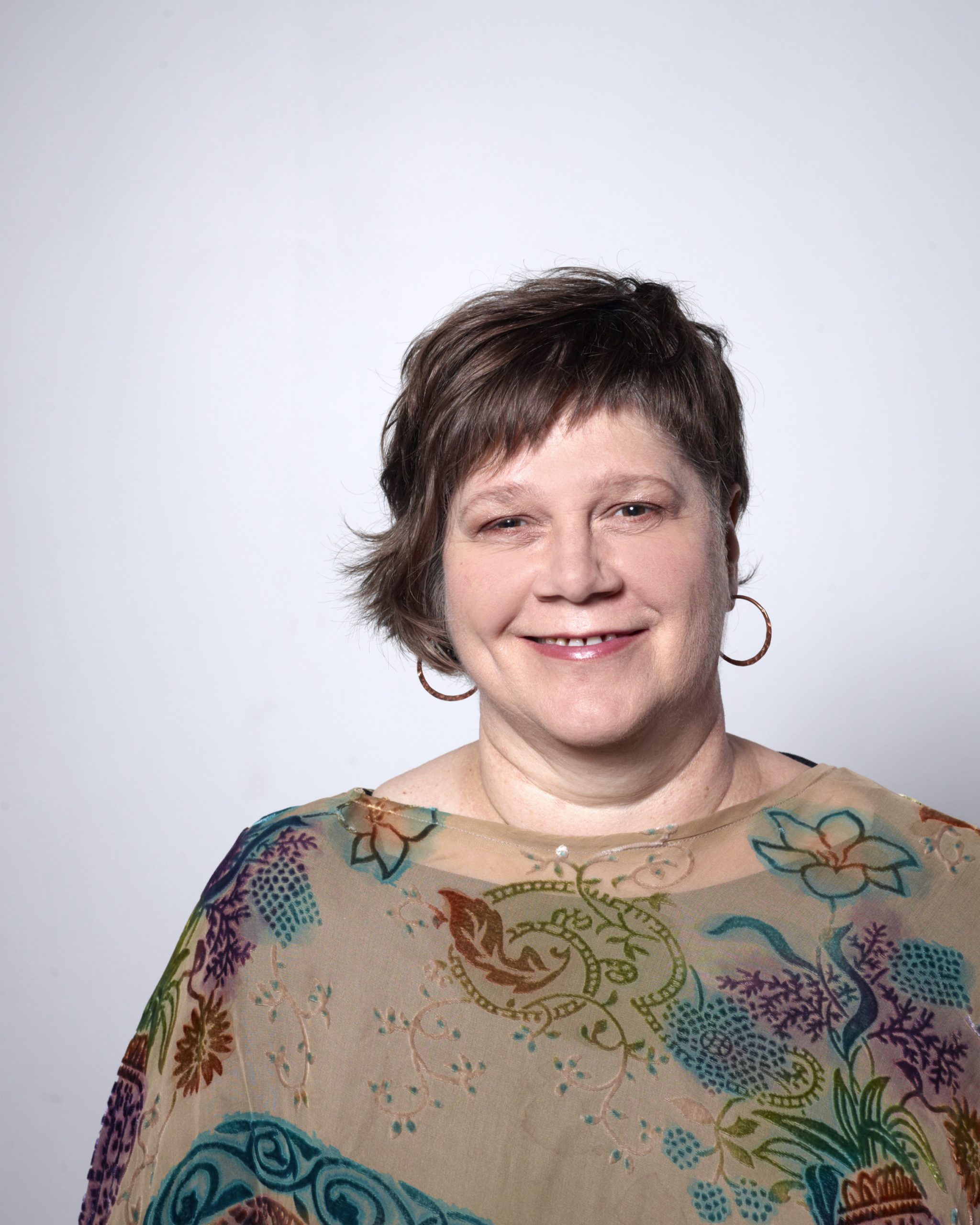
The show’s guest in this episode is Col. Bree Fram. She is an astronautical engineer, author, and one of the highest-ranking out transgender officers in the U.S. Space Force, with over 20 years of military service. She is a recognized advocate for LGBTQ+ inclusion and the author/editor of multiple books, including Forging Queer Leaders and With Valor and Visibility.
—
Listen to the podcast here
Transcending Limits: Leadership, Identity, and Advocacy in Uniform with Col. Bree Fram
Hello and welcome to the Experimental Leader Podcast. I’m Melanie Parrish. I’m an author, a speaker, an executive coach, and a business coach, and it’s great to be here with you today.
Welcome. I’m Mel Rutherford. I’m McMaster University’s first transgender department chair.
Well, what have you been thinking about Mel?
Well, it’s an old topic, but it’s still pertinent. I’ve been thinking about pronouns, and I’ve been thinking about that awkward moment when somebody uses the wrong pronoun after somebody transitions at work. It happens to me because I transitioned in my current position. And I kind of think that an employer or a workplace needs to have a strategy, a plan about how they’re going to handle it when, because it’s going to happen, somebody’s going to just be blathering on and grab the wrong pronoun in the in the micro second. And it happened to me a while back where I was somebody used the feminine pronoun to refer to me, and the response, and the response was not ideal. Somebody in the room actually signed after I, after I brought this to their attention, somebody in the room signed a written statement saying that it hadn’t happened and I hadn’t been misgendered, and basically creating a paper trail that made me look like I was dishonest. And I think there’s got to be a better plan. I think that a quick acknowledgement, a quick apology and then moving on, is probably the best, the best approach, not belaboring the apology, but just fixing it and moving on, I think, is usually the best strategy in the moment.
Yeah, I think, and we’ve talked about this before, and I think, you know, I think it’s your preference, but I’m going to check in on this. I think I understand that if somebody has, like, misgenders you, what you want is a, oh, sorry, a correction, and then never, you don’t need to keep going, Oh my gosh. I’m so sorry. That was terrible. I feel so bad because it draws more attention to.
It right then I have to go fix them if they’re right.
Which is a lot of emotional labor. So, yeah, okay, I think that’s I think that’s interesting to think about, and it’s interesting to think about leading pronouns. I know another place that you’ve done you try to work on is when you write a grant and they make you choose a gender, and sometimes they don’t give you a choice that actually works. So it I think all these places are really interesting from a leadership perspective.
Yeah, what are you thinking about in your leadership these days?
Well, I went to the passport office today, and I guess I’m thinking more about my identity as a Canadian citizen and a US citizen. And it was a really pleasant experience. Like everybody smiled at me, everybody helped me. I had to wait once I once I got all the information I needed, there was sort of an intermediary position. Then they gave me a number, and I waited for them to call my number, I was greeted with smiles everywhere, even just information. The information was really good, like, oh, we are going to be delivering passports that we’re taking in today, on August 6. You can pick it up, because I’m traveling on August 7. I needed to know that so it felt like a well oiled machine, which is coming from New Mexico. That’s not been my primary experience in my life. It never felt like that growing up, that it was under control. It always felt a little out of control. This felt very steady, organized and peaceful in a really good way. So I think I would complain if they weren’t, but today, they were fantastic.
That’s great. That you don’t hear that often when people leave the passport office. Do we do? We have a guest today?
We do. I’m super excited about our guest. Our guest is Colonel Bree Fram. She is an astronaut, nautical engineer, author, podcaster, speaker, and active duty officer in the US Space Force. She is one of the highest-ranking out transgender officers in the military, and she’s been a prominent advocate for inclusion and equity in the armed forces. And she has three books, and I know we’re going to talk about those today. We’re super excited to have Bree here.
—
Welcome Bree.
Thank you so much for having me. It’s a real pleasure to join you to talk about one of my favorite subjects and get more perspectives on leadership, which is so important for all of us, to be able to integrate those different perspectives into something that works for us.
Welcome. Bree, I’ve, I’ve really been enjoying your your queer leaders book. I was wondering what is like in a nutshell, what are the superpowers that queer leaders have?
Well, the case we make in the book is that queer leaders develop in interesting ways that really allow them to create this outward, focused leadership that is truly about all of us. It is not about developing a style of leadership that involves stepping on others to reach a goal. It’s about developing people and making sure that everyone feels included and part of the team. And what’s so important along the way are these crucible moments faced by LGBTQ plus leaders, those things that can seem really negative at the time, like a coming out experience or transition or other discriminatory activity, but that when you look back on you realize, through that and through some reflection, you probably develop some leadership superpowers along the way. And one example that I like to use frequently is that of how we as queer leaders, particularly when we experienced a time of life where we were in the closet, we learned to scan a room. We learned to look around and figure out, am I safe here? Can I be myself? Who might my allies be in this situation, and that’s hard at the time, and it takes a lot of mental energy to do that scanning work and to understand the environment. But when you look at that on the flip side, when you’re out, when you’re authentic, you can actually use those same skills that you built to understand your audience, to better develop connection with the people around you. You may notice things that other people don’t pick up on, and say, Ah, that’s why you’re interested in what I’m saying, or that’s why you think I’m crazy. I need to change my approach so those negative experiences can actually build real positive leadership skills in the long run.
I think that’s so interesting. And our kids do this like they always want to know when we’re getting together with somebody. Do they know? Do they know you’re trans dad and and it they that’s a piece of information they know they need. But there’s all sorts of things they also do in conversation, to gage safety, to gage affinity, like where, where do we connect? And once you figure out those connections, they’re really useful socially as well. I love I love this thinking. It’s very interesting.
One of the things that I struggle with is this idea of vulnerability. If a lot of the current leadership literature encourages leaders to be vulnerable and bring you know. Bring your whole self to work and bring you know the your own questions and insecurities, and be be transparent about that. But I just I wonder, for a trans leader, is there, is there a limit to that? Is there somewhere where we might be too vulnerable in our workplace, where we are supposed to be holding the leadership.
Yeah, both visibility and vulnerability are flip sides to a coin where there is a very positive aspect and there can be a very scary, or in some cases, a very damaging aspect to it, and we all need to consider our own safety in those situations, when we’re having that conceal versus reveal question go through our heads, but when our physical safety is relatively assured, and we at least believe There is some level of psychological safety in that environment. Being visible and being vulnerable is incredibly valuable, because I think many people frame vulnerability as weakness. They view it as that opening in your armor that’s going to let the sword through and you’re going to get stabbed. But instead, I want to reframe that in the vast majority of situations, not as weakness, but as opportunity, as an opportunity to connect. Because when you are showing some of your humanity, that’s a bridge that we can connect on, just like I think you were kind of getting at when you think about what is our avenue for connection? Maybe we enjoy the same type of food, maybe we cheer for the same sports team, but oftentimes it’s that shared element of humanity, that vulnerability to say, look, I’ve been through some really difficult things, or I’m going through a hard time, and in many cases, as a leader. When you let people know that you’re human too, they see you as someone who might be empathetic, someone who might actually care about their challenges and those things that they might consider to be their own vulnerabilities. And that is, again, it’s that bridge. It’s that avenue to connect and then together you can work on those challenges that will provide both of you and the team really an opportunity to succeed.
I’m curious about I’m curious for both of you, actually, about what you do as trans leaders to be safe, like what do you think about to protect in a world that isn’t perfect in this moment in time?

Well, one of the things that I opened my eyes to were aspects of safety when I transitioned. It was fascinating early in life, and really, for much of my adult life, not ever thinking about safety. I was perceived as a white guy who was just invincible. I would walk down any dark alleyway. I wouldn’t think about anything. And then I had to, all of a sudden say, Am I safe? Here is this okay, am I now perceived in a different way by others that makes me vulnerable in the negative way that they think I’m weak and could be taken advantage of in those situations? So physical safety actually became a concern, one that I had never had to consider before I think that says more about society and how we’ve been raised and what we’ve seen than anything else, but it was a burden that all of a sudden fell upon me, but it was also again, I want to flip that on its head and say it opened my empathy to all the women or people of color that had experienced the same or similar things where I had never thought about that before, and now I saw it. And when you see something, you see it everywhere, and you can, again, bring those avenues for connection with others.
In my workplace, I don’t ever think about physical safety. I’m in academia. Somebody can throw a book at me. I’m okay physically, but in terms of psychological safety, I don’t think I’m safe. I think I’m brave. I think that I’m out here all the time where people can say things that might hurt me intentionally or unintentionally. People might use the wrong pronouns. People might make assumptions. When I excitedly told one of my colleagues that we were having babies, she said, Who’s the father? Yeah, and, you know, people can say hurtful things, so I don’t, I don’t know that I’m psychologically safe, but I am brave, so I’m here, and I’m talking about my life. I’m talking about my family and and it, you know, it’s gonna, it’s gonna go okay in the end.
Thank you for that, both of you. That’s an interesting journey. Do you have other questions Mel for Bree?
Well, I’ve, you know, as I said, I’ve read your queer leadership book. In a nutshell, what are the other books about?

Forging Queer Leaders: How the LGBTQIA+ Community Creates Impact from Adversity
Two other books that I have are both collections of stories of transgender people that have served in the military. The first with honor and integrity was published in 2021 in what was really a hopeful time. We had just been through some challenges, but people wanted to share their stories about what it was like, and to show that not only was there no one way to be trans in the military, certainly there’s no one way to be trans in any context, but to really show that full panoply of human emotion and sad stories and funny stories and exhilarating stories about all the different circumstances that people would have found themselves in but in essence, it was there to show that trans people can thrive in the most challenging of circumstances, and to stand as a testament to what we could be when given the opportunity. The next collection with valor invisibility was just published a few months ago that was written in the late fall of 2024 with the Epilog written the day after the presidential election here in the United States. So it’s a very different tone, though we had had almost eight or nine years of open service at that point, we saw the writing that was on the wall that that service was in jeopardy, and that there was $200 million being spent to demonize transgender people, and a point being made that they were going to end the transgender lunacy in the military. So this was 47 news stories of trans people who were brave enough to share that reality in that moment knowing what might be coming, and again, to represent the wide array of stories and circumstance of sacrifice, of honor, of accomplishment across their time in military service.
What’s it like to try to weave together your identity as a somebody who serves in the military with your queer and trans identity?

It has been an interesting challenge to pull those things together, because we almost are forced to walk a pragmatic path, because there’s two views of us that say we shouldn’t be in the military, and those are diametrically opposed views coming from the left and the right of the political spectrum. On the right, it is a view that you’re queer, you shouldn’t be in the military. And on on the left, it’s a view, excuse me, I got that wrong. On the right, it’s the view that you’re in the military. You shouldn’t be queer. And on the left, it’s your queer. You shouldn’t be in the military. You should not be a tool of the oppressive state and any sort of part of of the government, because you’re part of the problem in that framing. So to have to walk between that path and it does force a bit of a pragmatism on you of what’s next. How can we do this? But really, it’s about expanding opportunity. How do we make sure that anyone who is capable and qualified to do what they want to do has the ability to do so that’s important, and for me, personally, it was what may sound corny, but it was about defending the freedoms and the opportunities that I had been given by people who had fought and died in the past. I look to my grandfather’s service in World War Two as something that inspired me to join after the events of September 11, when we’re attacked here, United States, and I felt, if not me, then who it is my time to go and defend the freedoms and opportunities that we have and make sure that they are there for future generations. And anyone who wants to be able to do that should have that opportunity. Yeah.
Yeah, and how are you sense making of all of this now today?
I’m heartbroken. I am truly grieving right now that we are all losing that opportunity and access to military service, or in some cases, public life is being closed off for trans people, and it crushes me to see people who I know had served with with valor and distinction for a decade, who have given their careers for something they cared about so deeply, being thrown out, being described in an executive order as undisciplined, dishonorable liars who lack the humility required for military service, and that kind of language that dehumanizes us, that tells us we’re part of the problem, despite all evidence to the contrary. When you look at any of our service records, you see nothing but distinction, and it hurts. It hurts a lot, and not just for for me, losing my career that I expected to serve many more years in or the 1000s of other transgender service members who are losing the same thing, but I grieve country as well, because not only are we losing 1000s of highly qualified service members, but we’re also risking developing a partisan, non professional Military where people swing in and out based on what administration is in when a bedrock of who we are is that we serve the constitution. We do not serve based on what President is in power, and we have to be able to serve across multiple administrations to build the deep technological and leadership skill required to thrive and win on a modern battlefield. So I grieve for people, and I grieve for the loss of capability and institutional capacity that we are going to have lost in in what we can do to protect people.
We we grieve with you as I mean, we have dual we have two passports, and we grieve too. I heard you’re writing a new book.
I love that question. Leaders have to go first. Sometimes leaders have to be willing to be vulnerable. And from they, I think anyway, I’m I shouldn’t state it so emphatically, but I do think they need to be willing to to put themselves out there before they expect others to do so. I am working on a memoir at this point, while I am on administrative leave, awaiting what I expect and hope is retirement from the military because of these policies, I’m going to tell my story. I think there’s a lot of value in understanding why, why we believe the things we believe what the value of inclusive leadership is and truly what the promise of America is. Because I was asked in that period late last fall by my mom, what’s my plan to leave? Because there are a lot of trans people that are thinking about fleeing the United States. There are a lot of others that are thinking the same thing, those that have the privilege to either have another passport or have the resources to go somewhere else and ride it out as it were, or maybe never to return. And I had to tell my mom, even with our family history, of her father escaping Germany as a boy in the 30s and getting into the United States, that Mom, I’m not making those plans. My job is to stay here and fight for the future we want and that I believe in. And so the book is going to tell that story of why. What are the things that happened in my family story, in my story that make me believe that that there is something here worth fighting for, that if we all just leave, who is going to fight for those principles that since our founding, we have really used to drive inclusion and the broad scope of democratic institutions forward an ever widening opportunity not retrenching.
That’s amazing. I’m looking forward to reading that. Do you know when it will be out?
I am in the early stages just writing right now, so probably not for at least a year or two, but it’s, it’s a project that I believe in, and I hope that I can live up to what I espouse in there, and do get the chance to work for a better future.
And where can people find your other books?
Well, you can find all my books on sites like Amazon, or better yet, you can find them at my website, brieffram.com and find out more about me and the writing that I do, in addition to the books.
Well, it has been a pleasure to have you here. I’m so happy to get to meet you and and I wish you all the best as things are changing for you.
Thank you. It’s it’s been a joy to join you and again, talk about a favorite subject. You know, how do we lead in a way that brings others in and drives us toward an expansive view of who we can all be and what we can accomplish.
I want to remind you you had a little disclaimer that you wanted.
I did, and I was going to say, well, we can just put this in the show notes, but it is important to note that I joined you in my personal capacity, and my views do not necessarily reflect those of the Department of Defense or the United States government.
It’s been a pleasure talking to you.
Thank you for having me.

—
Such an interesting time that we got to spend with Bri, yeah, that was fun. What are you thinking about as we’re leaving?
Well, I think Bree had some really sort of practical and like sort of real world perspectives on leadership. I love the forged in leadership idea, the crucible moments, and it’s a really interesting framing of queer and trans leadership.
Yeah, I love that. There the thinking, the long term thinking of telling stories with Hope is what I’m left with at the end of this interview that governments come and go like leaders come and go in our governments, but that that there’s something worthwhile fighting for, for a bipartisan military, bipartisan Government, bipartisanship in the US and and so I don’t feel incredibly hopeful right in this moment, but it’s important to continue to believe in those ideals. I think, well, it’s been good to be here with you today.
Go experiment.
Go experiment.
Important Links:
Bree Fram

Bree Fram (she/her) is an astronautical engineer, author, podcaster, speaker, and active duty colonel in the United States Space Force. She is currently on administrative leave, pending separation due to Presidential policy regarding transgender people, at the end of 2025. In her final assignment she was stationed at the Pentagon where she developed the requirements for future Space Force capabilities.
Prior to recommissioning into the Space Force in 2021, Bree served 18 years in a wide variety of Air Force positions including a Research and Development command position and an oversight role for all Air Force security cooperation activity with Iraq. In earlier assignments, Bree served in the Air Force Directorate of Strategic Plans, as a Legislative Fellow at the US Capitol on the staff of Congresswoman Madeleine Bordallo, several tours as a program manager for satellite and technology programs, and deployed to Qatar and Iraq as part of Operation Iraqi Freedom.
Bree came out publicly as transgender on the day the transgender ban in the military was dropped in 2016. She transitioned while in a command position and served through the re-imposition of a transgender ban from 2019-2021. She is currently one of the highest ranking out transgender officers in the United States military.
Bree has appeared on national and international media, including ABC and NBC Nightly news, France 24, BBC, PBS News Hour, and NPR’s All Things Considered, Morning Edition, and 1A. Her writing has been featured in the New York Times, Washington Post, Military Times, Inkstick, and LGBTQ Nation.
Bree is an editor of With Honor and Integrity: Transgender Troops in Their Own Words (November 2021) and its sequel With Valor and Visibility: The Next Chapter of Transgender Military Service (January 2025). She is also an author of Forging Queer Leaders: How the LGBTQIA+ Community Creates Impact from Adversity (June 2024).
Bree has been married for 20 years to Peg Fram and they have two kids.
Bree currently supports the Brooke Owens Fellowship as an Executive Mentor. Her previous work includes co-leading the Department of the Air Force LGBTQ+ Initiatives Team, dedicated to eliminating barriers to LGBTQ+ military service in the Air and Space Force from 2023-2025. She also served in leadership roles at SPARTA, a non-profit that advocates and educates about transgender military service, from 2015-2023, culminating as President and Board Chair. Her work for SPARTA focused on national-level policy and advocacy to develop a more inclusive military. Bree served as a member of the American Institute of Aeronautics and Astronautics’ Diversity Working Group from 2019-2023 and developed programming to increase diverse representation in STEM and aerospace.
Recent Awards
Out100 Awardee, Out Magazine, 2024
Inclusive Diversity Award of the Year, Gays in Space, 2024
LGBTQ+ Engineer of the Year, Out To Innovate, 2022
Volunteer of the Year, Department of the Air Force, 2021
Education
MA, National Security and Strategic Studies, Naval War College, 2021
Graduate Certificate in Leadership and Ethics, Naval War College, 2021
MS, Astronautical Engineering, Air Force Institute of Technology, 2007
Graduate Certificate in Systems Engineering, Air Force Institute of Technology, 2007
BS, Aerospace Engineering, University of Minnesota, 2001
Books:
- With Valor And Visibility: The Next Chapter of Transgender Military Service
- Forging Queer Leaders
- WITH HONOR AND INTEGRITY: TRANSGENDER TROOPS IN THEIR OWN WORDS
Love the show? Subscribe, rate, review, and share!
Join The Experimental Leader community today:




Leave a Comment