

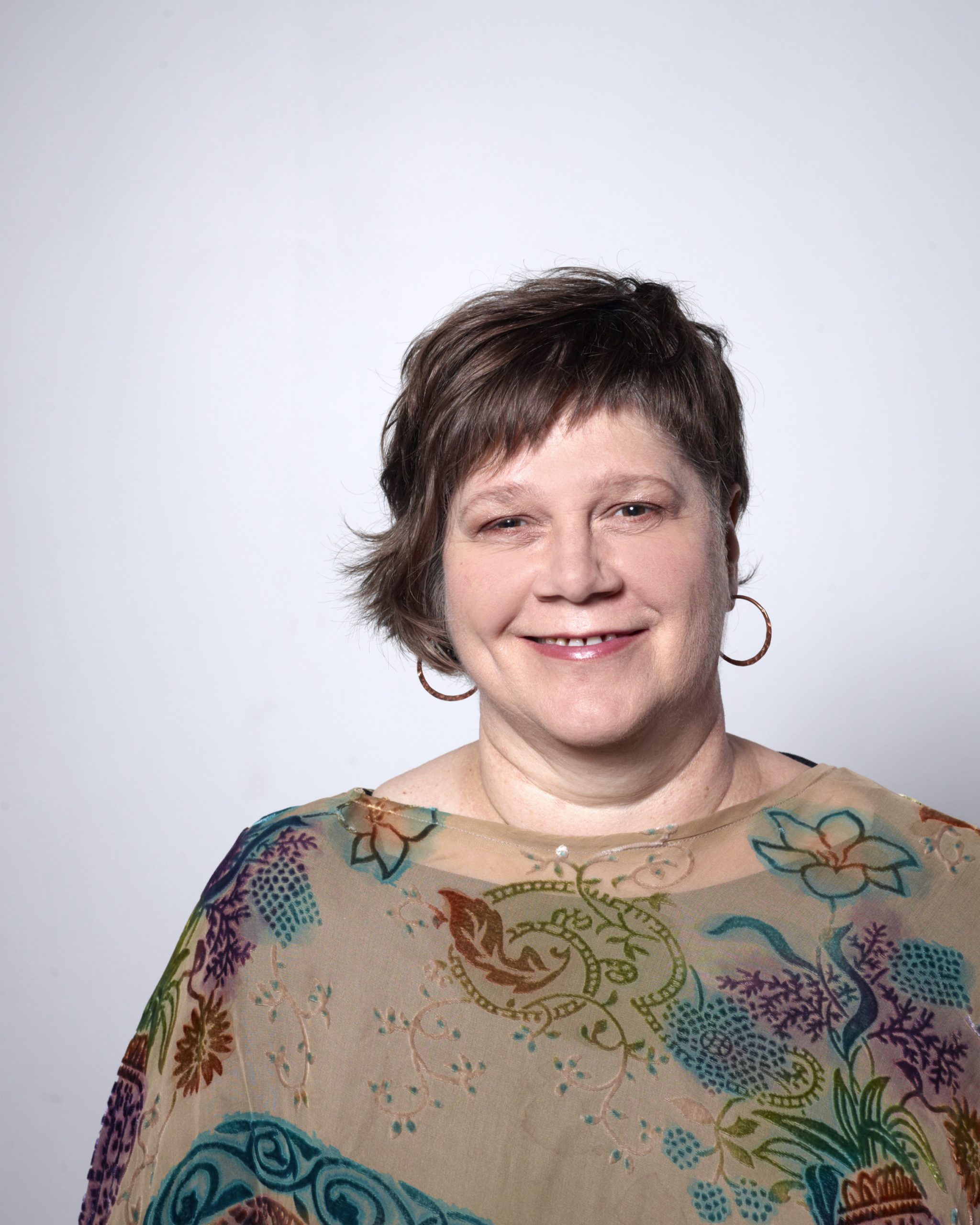
The show’s guest in this episode is Dr. Liz Cavallaro. She is an Executive Coach, Adult Development Scholar, and co-author of Forging Queer Leaders: How the LGBTQIA+ Community Creates Impact from Adversity. She co-hosts the Forged in Fire LGBTQ+ Leadership Podcast and shares her research widely through journals, conferences, and keynotes.
She currently serves as a tenured Associate Professor of Leader Development at the U.S. Naval War College, working with senior national security leaders to deepen self-awareness and cognitive capacity. Dr. Cavallaro has also taught at Worcester Polytechnic Institute and Bay Path University. She holds an Ed.D. in Human and Organizational Learning and an M.A. in Organizational Management from George Washington University.
—
Listen to the podcast here
Authentic Leadership: LGBTQ+ Insights on Inclusivity and Impact with Dr. Liz Cavallaro
Hello, Mel. Happy Pride. Happy Pride. It’s a weird year for pride. I have to say, I’m proud, but a little concerned. Yeah, I’m excited about the show today. What about you?
Yeah, I’m excited to have Liz on our show, and to talk about forging queer leadership. I was today, I was had a conversation. Was thinking about this topic of like being being tough, being tough at work, and being forged into a leader. I was talking to a cisgender guy, and I was telling him about my experience of being misgendered at work, and my employer’s response to my being misgendered at work was, which was that all of my meetings going forward have to be online and have to be recorded, and people can’t have one on one in person meetings with me, and in This was a 45 minute conversation, and we never got to talk about what I was feeling, because he kept directing the conversation back to solving the problem like he wanted me to, you know, reach out to HR and tell them that this had happened, and, you know, find legal support and tell them that this had happened. And he’d like, he had, like, lots of solutions lined up. And finally he was like, well, at least you can have employee coping mechanisms and have work life balance, and nobody would ask me, like, what I wanted or what I needed. And it was so I, you know, I’m forging myself here into leadership. What are you thinking about Melanie?
I mean, I just want to comment on what you’re talking about, which I think part of being queer is that sometimes allies get so excited about you being queer that they’re they’re they want to weigh in, and they don’t actually fully understand, you know, what it’s like To be queer. I know. I know. I’ve had people say, you know, when I say, Well, I needed to come out to someone. And when I did, they didn’t talk to me anymore. And they were like, well, why’d you have to come out to them? Couldn’t you have just been for in the closet and and it’s like, well, no, because I’m really committed to being authentically myself, and also I don’t want to invest in relationships if they’re not like, if they don’t know who I am, if who I am is going to take it off the table for them,
it would be dangerous to invest in a relationship though that was that fragile.
Yeah, I want to know it’s got some resilience, like they may be a jerk, but I want to know that they’re queer friendly. If they’re a jerk, I can deal with jerks, but people who just hate our family because of who we are, is is tough to reconcile with, and it brings me, actually, to what I’ve been thinking about, which is not actually queer for our, you know, pride podcast, but it’s about neighbors, and it’s about how you have difficult conversations and you maintain relationship at The same time. So our neighbor is wanting to put storage containers on our on his property, which happens to be the view out, you know, behind our pool. And I didn’t really we’re in the country, like we have two acres. He has lots of acres. It’s currently a vacant field, and he wants to add these two storage containers behind our house for his belongings, just store them and and so today I spent the day having conversations with him and and it’s he would like me just to be nice, like, why are you making trouble for me? And all I kept saying was, I just want you to follow the law. So I printed him the website. I took it to him. I don’t know if he’s following the law. I actually don’t, don’t quite understand it, but I thought he should understand it, because I don’t want to harm him later. I want to see if we can negotiate it upfront. And so it’s just been a really interesting day of thinking about like, how does. Say, like I care about you, and I don’t want you to I don’t want you to waste your money if what you’re doing is actually illegal. And so it’s had me think about just conflict, and how often it kind of blows up and people get positional, and how important it is to me to stay in the place of making the relationship important.
So do we have a guest today?
We do. I’m super excited about our guest. It’s Dr. Liz Cavallaro, and she is an executive coach, and she’s an adult development scholar and leader, leadership development practitioner, and she’s the co author of a really cool book called forging we’re leaders, how the LGBTQIA plus community creates impact from adversity. And she also has a podcast forged in fire, which is an LGBTQ plus leadership podcast, and she is currently a tenured associate professor of leadership development at the US Naval War College, so I feel like that’s a whole lot in and I’m like, can’t wait to talk to her.
—
So Liz, welcome to the show.
Thank you so much for having me Melanie and Mel.
Yeah, so I am, like, immediately curious about, you know, writing a queer book, working for the US Naval War College, like, hey, how does that all work?
Yeah, those were two aspects of my life that were fairly separate from each other for many years, in that I am an ally and an advocate, and it’s something that I did in my personal time, and have just always been passionate about my entire life. And then in my professional space, I’m an educator, and I study adult development and leadership development, which I currently do for the Naval War College in Newport, Rhode Island. And so up until a few years ago, those were kind of two different elements that existed. And then I had a student in 2021 who happened to be, at the time, the Department of Defense’s senior most transgender service member. And when she and I connected, we started talking about some of the unique things about queer leadership and the intersections of that with some of the things I study in adult development. And suddenly the two worlds were together.
Interesting. And then I feel like I should say Dun, dun, dun. And then here we are today, and what the heck like? What are you? What’s happening in your world? What are you experimenting with surviving right now?
Yeah. I mean, I think experimenting and surviving are two words that are going hand in hand for us right now. For me personally, I think that I’m experimenting with how to maintain my integrity as someone who’s not a member of the community but considers myself an ally and an advocate and wants to do a good job in that and earn the right to be supporting this community and be engaged in this work of progress, and that sometimes feels very challenging when you’re an employee in an employment space where some of the things that you’re being asked to do, or some of the shifts in the culture feel like they’re out of alignment with that so so trying to balance integrity and try to do those things, like talking to you all today, to keep that in the forefront of the work that I do and the hopefully the impact that I can have.

So what is it that queer and trans folks need to be aware of when they’re invited into a leadership role?
I think something that is sometimes under explored are the tremendous gifts that they can bring, especially into leadership in today’s context, where leaders are facing environments that are volatile and certain complex and ambiguous, and the kinds of challenges they need to tackle requires a certain kind of skill set. And what we’ve looked at is the way in which some of the unique aspects of the life journey of a member of the queer community, whether that be things like coming out or transition or other crucible moments, or whether that be adversity, facing bias or marginalization, how moving through that adversity actually develops not only a resilience and a toughness, but also some very specific capacities that are the exact kinds of skills that help them be more effective leaders in those environments across all different industries and sectors. So in terms of what they should be aware of, it’s how has that journey forged those skills and how to. They make sure to bring that to the forefront and leverage it inside their organizations.
I think that’s really interesting. And I’ve never had that thought before. But when you think of sort of queer journey, any queer journey, particularly trans journey, but you know queer journey, you know, there’s, there’s problem solving over and over, and also sort of visionary alignment thinking that happens just just to live your life like, what am I committed to? There’s a principledness around living in queer space, in a world of not queer space. And I think that’s fascinating.
Yeah, that is, I think you hit the nail, nail on the head, in terms of the constant problem solving and environment scanning and perceptive abilities that are needed, really just for survival, and depending on the environment you’re in, sometimes we’re even talking physical survival or preventing harm, and sometimes we’re talking social or professional survival, trying to thrive in your communities or your membership groups or your families. So the problem solving and necessity to understand your environment and be really alert and aware at all times, really becomes a skill set, because that gets practiced and honed and habituated over time, and then those same things are relevant in a leadership environment. But then there’s also the other aspect, and I think, you know, you refer to it as principled, which I think is really valid way of thinking about this, that understanding one’s own identity and engaging in a ton of introspection and reflection and then choosing to live authentically and being able to bring your whole self into all, hopefully, all of your spaces. You know the the tremendous courage and authenticity and pride that it takes to be able to do that and be effective, oftentimes despite much adversity. And so I think there’s a real beauty in that, and it’s an opportunity that exists within the adversity that once leveraged and channeled can have amazing results.
I think there’s some interesting thinking in there too. I was sort of applying this in my brain to myself, and I was thinking, there’s some really interesting things, even as you were saying, like living fully authentically and and I find it interesting as an entrepreneur, what my queer identity, where my queer identity sits in that? So as an executive coach, I don’t want to only coach queer clients. I don’t want to be a queer coach. I really like being a tech coach. I really like being a mentor coach. I really like coaching people who are entrepreneurial executives, and I’m not in the closet in any way. And so I always, I always sort of that friction between those two, like, like, I don’t want to create a queer brand, but I want my brand to be queer. And so how can I, how can I be fully me and not have that limit as an entrepreneur, what kind of work I can do or how people view me? I want to be a leadership coach first, and then I want to be more valuable to some people who would like me to be a queer, queer when I’m a leadership coach.
Absolutely. I think that’s really resonates with me, because it was one of probably the surprising findings of the research we did, and one of the most powerful and inspiring findings, which is understanding the parallels in the queer journey that all of us can learn from and so, you know, thinking about the ways in which these are developmental journeys. These are journeys of of moving into full and complete adulthood and maturity to own your identity and live in your authenticity. You know, those are things that everyone is striving to do, and those of us who are lucky to succeed in it, in any part of our life, are going to be living more fully. And if we can do that in our professional space, of course, we are healthier and thriving and in a much better place in where we’re at. But also, the organization is getting so much more out of us, and other people are getting more and you mentioned, you know, wanting to be a, you know, be a good coach to everyone. Some of the folks that we’ve interviewed, what I have found most powerful is the way that they have translated their experiences and their journeys, even to people who are dramatically different from them, maybe even to people who can’t fully understand the queer jury journey, or maybe you can’t even fully embrace it, but can then see parallels to their life and to the changes and transitions and adversity that we all go through. And I think there’s just something unique about the way in which queer leaders have faced those things, and the way in which. They’ve come out the other side that there are some lessons that they can lend to others, and they readily do that.

I have a question about the concept of vulnerability, because in leadership space and leadership teaching these days, leaders are told to bring their vulnerability and be vulnerable in front of the people that they’re leading. And I understand that this has to do with relatability, and it has to do with, you know, imperfections and showing people that they they can get over adversities or tough journeys. But I’m wondering if there’s anything that a queer trans leader needs to be thinking about with respect to being vulnerable in the workplace.
Yeah, I think looking at vulnerability as a strength that arises from the courage to be one’s true self is one of those places in which other people find parallels and are inspired by these folks. And so we’ve had several leaders tell us stories about how someone who wasn’t necessarily a member of the queer community would come to them as a leader and open up about something they were experiencing in their own life, share a challenge, or ask for help, and then later tell that leader that the reason they were comfortable doing it was because they knew something about that person’s queer journey, even though that maybe didn’t necessarily feel all that similar to the individual, the the ideas behind what they were going through actually had some similarity and where someone was observing a queer leader have the strength and courage to Be vulnerable in having shared some part of their story and having shown up authentically despite the many risks and challenges that came with doing it that was inspiring to people and it made them want their mentorship, their guidance, their advice, they wanted that person in their corner, because it made them feel stronger to Be brave in the face of their own challenges, and to deal with being vulnerable while going through something difficult in life, in the workplace, that oftentimes isn’t a welcoming environment for that vulnerability or even that honesty.
Interesting
I’m thinking about how, how how often cisgendered straight people conflate bravery with queer people who are sort of living their lives like they think it’s brave to live their lives. And so some of that yes, and some of it’s just that that’s what it takes to actually have authenticity, but it is interesting how bravery gets into this equation. At least people sense that it’s brave right?
Yeah. It’s interesting how you know, depending on the environment and the context and people’s perception of what kind of obstacles and barriers someone has had to overcome, right? They will ascribe a bravery or courageousness. And I think what sometimes gets lost in translation is that some elements of the journey are squarely around survival a person’s quote, choice to be deliberate, be intentional and be out or authentic, for many people, is a result of needing to be able to continue living their life, being able to survive, being able to get out of bed every morning and face The world as their real self, because the alternative actually presented such a threat and such a danger to to them that that that was the only way. But for people who can’t fathom those kind of crucibles and can’t fathom what it’s like to have an identity that just being it faces so much adversity in the world, it’s hard for them to think of that as anything other than just brave.
Yeah, it’s really interesting. Did you consider when you were doing this? Did you Is there anything in here? And I haven’t looked at it, but I’m excited to about sort of allyship and virtue signaling and things that are, I feel like we see that a fair bit, you know, some of my best friends, a kind of comments, and way further than that. But yeah, absolutely that you thought have with the folks that we talked with.
You know, we asked for them to provide their perspectives on what is needed in allyship, and what are the actions and mindsets and attitudes that are most useful, whether that be of individuals who want to serve as allies, or whether that be from organizations. And leaders who want to create inclusive spaces. And so they provided so many useful examples both of those practices that are not constructive or helpful, like virtue signaling, like really just making a set of assumptions based in, quote, good intentions, meaning, Hey, as long as I want to help, and as long as I have a positive view of the community, and I’m trying to, you know, be a good person, then I, you know, I can move forward with whatever my individual ideas are about how to do that, versus, hey, you know what? Just ask Mel’s story in the beginning really stood out to me of like, Hey, we’re 45 minutes into this meeting, and we haven’t gotten to how are you and what do you need, and what’s happening for you right now, and what can I do to help? Do you even want anything from me? Right? And so much of the advice that we got from these leaders for allies was about just ask, Have the conversation, make it clear that you are there to help, if desired, and then find out what those things are that are the appropriate, useful, you know, constructive things that can be done, versus simply making an assumption or simply acting without a deeper knowledge or understanding of what’s actually going on for that person or within the community. And so that I felt there was some very, very helpful, informative tips that we got from folks that can help allies not stumble over themselves, which we do all the time.
Yeah, I think, I think it’s really interesting. I mean, we, we had someone who was attending a sucker match in Qatar, I think, as a World Cup, and wanted us to, like, give him a pass on the human rights, you know, the LGBTQ human rights violations in Qatar, and say it was okay that he was spending money in Qatar. And we didn’t bring it up. We didn’t want to talk about it and but we sure did talk about it for a long time, and we never did give him a pass. We never, we never said, yeah, it’s okay. We understand that you like soccer, but it was quite uncomfortable for him that we didn’t throw that bone, you know, to our friend to say, Oh, we we don’t mind that our human rights, you know, would be violated, and we could never attend that event in that country. You go ahead, but it’s so interesting how he wanted us to affirm that it was okay because so that he could feel good about his allyship. Yeah. Do you have another question?
Well, I was hoping that. I was hoping for, like some a kernel of wisdom around for for a trans person in leadership like myself, what should I be keeping in mind on a day to day basis?
 Yeah, thank you for that. Um, something in particular that stood out to me for trans leaders is the ability to bring those multiple perspectives into complex leadership environments. Whether that means being able to be a bridge between different identities to help translate and aid and ease in communication across different identities and diverse audiences that you might have within your organization, or whether that be in those periods of time where you don’t necessarily have enough varied perspectives in the room, for whatever reason, it’s it’s short notice, or it’s a small group, or it’s an immediate decision or action that has to be made because it’s an emergency situation, knowing that the ideal way forward would be to be as collusive, inclusive and collaborative and participatory as possible, and to bring as many viewpoints around the table. For trans folks, they often have an ability to think through different lenses, and then to convey that information to others in a way that they can understand, because that translating ability is there. And so that’s another interesting thing where the skill itself may have originally arised out of negative circumstances, out of facing adversity, the need to code switch in order to get by, or in order to pass, or whatever it may have been. But the kernel of that skill set is something that literally every leader in today’s complex environment is trying to do a better job of or at least, hopefully, they’re trying to do a better job of it. And the trans leaders that we spoke to already had a leg up on that, and it was just a matter of channeling it into those spaces and then owning it, I think, is the other piece, right? Like acknowledging this was a really difficult journey, but I have a hard fought. And hard won skill that came out of it, and it is exceptionally unique to a very small subset of the population. And so if I’m willing and able to bring that into my organization, that’s really going to benefit others, it’s a gift that I am bringing. And so to just be to be able to own that and really bring it to the table.
Yeah, that’s fantastic. One of one of the gifts that a trans leader can bring is perspective taking and being able to hold, see multiple perspectives, and hold multiple perspectives and be that bridge. I like that.
It’s like the and holding the liminal space, like the spaces in between, I think is really cool about what you just said, Where can people find you? Oh, where can people find you Liz?
So yes, they can check out all of the different aspects of what we do at www.forgedinfire.org and from there you can find our podcast, forge and fire LGBTQ leadership podcast, as well as the book forging queer leaders.
Amazing. Well, it’s been a pleasure to have you on our show today, and I love this conversation. Thanks for being here. Thanks. Liz.
Yes, absolutely. Thank you so much for having me. It’s been awesome talking to you and learning from you both.

—
Well, that was cool, yeah.
I really like this idea that the the road to leadership that trans and queer folks have traveled has made them tougher and and, you know, led to some pretty specific gifts to leadership, yeah, and skill sets.
I mean, just resilience and path and vision and, you know, taking Yeah, like, yeah, it’s so interesting. It’s a really interesting paradigm. I really enjoyed talking with Liz today.
Yeah, that was a great, great conversation.
Yeah, what are you going to take away from today
Being more available to articulate what my gifts as a leader are.
Cool. Yeah, I’m still grappling with how to be queer, not queer in my business, but that’s that’s a great question to think about all year long, not just in Pride Month.
So Well, it’s been great being with you today. Happy Pride and go experiment.
Go experiment.
Important Links:
Dr. Liz Cavallaro

Dr. Liz Cavallaro is an Executive Coach, Adult Development Scholar, and Leader Development
Practitioner. She is the co-author of Forging Queer Leaders: How the LGBTQIA+ Community Creates Impact from Adversity and co-host of the Forged in Fire LGBTQ+ Leadership Podcast. She has also shared her extensive leader development research via scholarly journals, academic conferences, and keynote speeches.
She is currently a tenured Associate Professor of Leader Development at the U.S. Naval War College (USNWC), in Newport, RI where she works with mid- and senior-level national security leaders to build self-awareness and enhance cognitive capacity.
Dr. Cavallaro has also served as an Adjunct Professor of Organizational Behavior at the Worcester Polytechnic Institute School of Business, and an Adjunct Professor for the Women as Empowered Learners and Leaders program at Bay Path University. She holds an Ed.D. in Human and Organizational Learning and an M.A. in Organizational Management from George Washington
Love the show? Subscribe, rate, review, and share!
Join The Experimental Leader community today:




Leave a Comment