


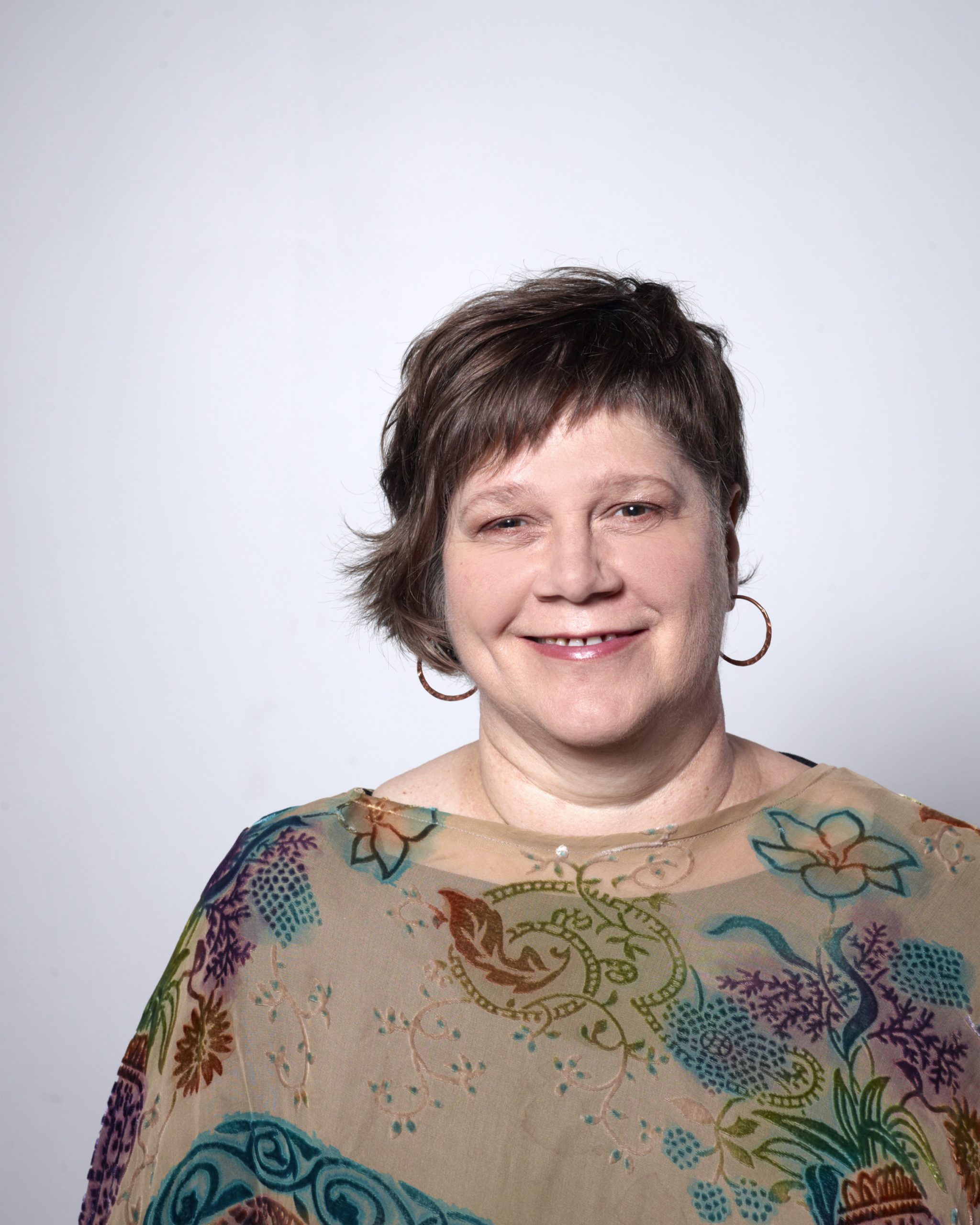
The show’s guest in this episode is Paulo Gregory. He is a designer, facilitator, and community builder focused on transforming systems through collaboration and collective wisdom. He is the inventor of Cohado®, a strategic relational framework that helps teams and communities create aligned, sustainable solutions. With more than 30 years of experience, Paulo supports leaders and groups in building resilient, collaborative cultures.
—
Listen to the podcast here
Leading Through Collective Wisdom with Paulo Gregory
Hi. I’m Mel Rutherford. I’m McMaster University’s first transgender department chair, and I’m a co-host of the experimental leader podcast.
And hello, I’m Melanie Parish. I am an executive coach. I’m a content creator, an author, and a co-host of the Experimental Leader podcast. It’s great to be here with you today. What are you thinking about today?
I’m in the fifth year of my five-year term as department chair, and our committee to select our next chair has started meeting. So I’ve been talking to members of that selection committee, and today I told one of them that I think the administrative tasks a department chair has to do are something anyone among us could do. We’ve got good support, we’ve got good staff. And the administrative tasks are the same year to year. I said, I said, maybe they should be thinking about soft skills. Maybe when they’re looking for a new leader, don’t worry about the administrative tasks. Look for the person who’s going to be able to take care of folks in the department, who’s going to be able to listen, is going to be able to, you know, consider multiple perspectives, who opens up channels of communication, who bridges communication, who helps people talk to each other, and who holds the values of the department.
I think that’s really cool. I think, I think we often think of who’s going to boss everyone when we look for leaders, but that may not be what organizations need.
Yeah. What have you been thinking about?
Well, I’ve been thinking about the beginning of the year and how you don’t get what you want if you don’t take the time to think about what it is you actually want. So there’s something about dreaming big enough. There’s something about planning. There’s something about sort of calling it forth from the universe. I sometimes find that people want a really cool life, but they don’t do the work to make their dreams come true. They they they think they want it to come to them. And it’s not like some kind of magical thinking. It’s actually that you can’t find what you want if you don’t know what it is. So, yeah, so it’s just like, What am I dreaming up? But also like, what do leaders need to be dreaming up? How do they ask for more? How do they hope for more? How do they start to see a clear vision of the more that they’re looking for in this in this part of the year?
Yeah, it seems really handy to use the new year as a moment to stop, reflect, and vision.
Yeah, I think so too. Well, in a second, I’ll tell you about our guest today. I am super excited about our guest today. His name is Paulo Gregory. He’s a designer, a facilitator. He’s a community builder focused on transforming systems through collaboration and collective wisdom. He’s the inventor of Cohado, which is a strategic, relational framework that helps teams and communities create aligned, sustainable solutions. He’s got 30 years of experience. He supports leaders in groups.
—
Welcome to the show. Paulo, it’s a delight to be here.
Melanie, I’m super excited to get to talk to you
And what are you experimenting on in your life and work right now?
Well, that’s interesting. So with the development of Cohado, we have some interactive tools, and I’ve been playing a lot in the AI space over the last several months to really understand. What it is, how it might impact us in the human plane, and what it’s good at, and what it’s not so good at. So one of the exciting things we’re doing now is actually building out a an AI framework which really aligns with this process, so that it can be integrated in our work. So, super excited, super scared about
all that.
So Cohado is an AI platform?
No, it’s a, it’s actually, literally a game platform that’s collaborative, that folks in teams or other kinds of collaborative, connective individuals can work together to really understand and experiment with, like pure collaboration.
I think, I think it’s really interesting. There’s a look, there’s a board game kind of thing that I just was ordering. I’m not going to remember what it was, but it’s a collaborative game, and so I’m, I’m sort of fascinated by this idea that we don’t have to compete all the time for fun
Or for work or for everything.

It’s really interesting to think about the world on a more collaborative plane, generally, absolutely.
You know, one of the things that really inspired this is that my early career was spent doing a lot of what then was called diversity work. Then it turned into dei and now I think it’s evaporating. But the and and realizing how challenging it is for folks to kind of cross cultural boundaries, you know that, whether that be in sort of the broad cultural sense, or even like work culture and our structures don’t align and support that, and we’ve never really been trained in it, except for, you know, we might have had a group project in school or things like that, but we’re never really trained to collaborate. So, you know, so, and that’s a lot of my work is supporting that. And so, you know, developing these tools and processes and platforms to help people experience that, because, you know, we aren’t facile at it. So how do we begin to build our capacities to connect across boundaries and not stay in isolation, but to really use the innovative possibility of, you know, you’re different from me. Let’s put our work together and see what we can build that neither of us could have done, and that’s, you know, teams of small teams like folks like you and me, or, you know, we’ve done really large-scale projects getting folks to really connect into that space.
Yeah, I think I’ve done some sort of large team coaching engagements with large community and and I think one of the things I experienced when I was working with a group, and there were many differing opinions about leadership in the organization or just stuff, and I think in that engagement, I really found that learning to Just be okay with difference was a really big skill around collaboration or being in community together. I’m wondering if there’s some things that you have found are the the skills of of collaboration.
Yeah, I think, I think that’s the essence that you named is, is understanding how to be different, but to not see that as a detrimental like a problem, but to see that kind of difference as as actually essential to Creating new things, to innovating, to coming up with ideas that can support a broader number of folks, rather than a few folks. So definitely aligned on that piece.
Well, I’m curious, because it pops into my head, just because of you know, my journey on Facebook this week, where is, where are the boundaries of accepting difference? And when do you draw a hard line because someone’s opinion is harmful, or, I mean, in my case, takes a shot at LGBT. To queue people or something, where it’s just too far, where’s the bridge too far for people?
Yeah, that’s a, that’s a really powerful question. I mean, I think you, you said, what part of my answer would be in your asking, which is, you know, where there’s harm being created, like, how do you I mean to me, there’s a hard boundary around engaging in a way in which some someone is harmed. So to me, that’s a super hard boundary. But I think, you know, I think that the way we often frame difference is by framing it as as disconnection, right, rather than framing it as, you know, I use often use them the metaphor of a spectrum, you know, We have, we have these eight kind of different colors, really limitless different colors, but we kind of break them into that spectrum. And it’s as if you know we were to say, well, we only want to deal in red. A world that only deals in red is is going to be pretty limited. So so to see, to see the spectrum and that, you know, and it crosses into culture as we, as we look at difference, you know, there’s differences between me and my brother, and we’re literally from the same womb, so we’re from the same culture, but we are radically different in who we are. So there’s culture at that kind of individual level. We have our own unique culture. But then, you know, you mentioned LGBT, LGBT community that that you know, has, there’s a culture in that kind of space too, but there’s also obviously incredible dimensionality within those cultures. So how do we start to get get skilled at seeing each other’s perspectives, you know, especially if they don’t align with ours, or where they don’t align and so a lot of my work is really helping create bridges in those kinds of spaces that are bridges of understanding. And then I think the if that’s happening, then some of the boundary flagging activities diminish in this space, you know, I would also say it has a lot to do with context. You know, on Facebook, the context is very strange, you know, it’s not like a workplace or a family or, you know, and I think in different contexts, you know, the boundaries show up differently. You know, folks are just railing about politics at a super high level, then, you know, that’s that there can be a lot of difference in that space when it gets personal. Then I think, you know, it is that context sort of ups the level of need for safety.
I think it’s, I mean, I think these are really interesting questions, because on the face of it, I feel like I’m super collaborative. I have friends who have really different political viewpoints, and I do have some places where I draw a line in the sand and say, not that. And and then what you know, then, does my world get smaller? I want my world to be expansive. I want to know people who aren’t like me. I want to know people who think differently than me.
Yeah, absolutely. And, you know, I think as we like, those boundaries are important, like we’ve got to we’ve got to feel safe in order to really utilize all of who we are. And you know, sometimes that seems a little paradoxical, that the boundaries help create freedom, in a sense, but you know, I think that’s and you know your your conversation is often about leadership, and to me, the way we look at leadership, one is CO leadership, or what we the word we use is con, emergent leadership, which is really, you know, we have all these kind of models of leadership that show up in let’s start With like organizational spaces, and most of them are hierarchical structures, right where there’s, you know, a leader at the top, and then you got the C suite of folks that are then you have the managers, and then you have the folks doing the work. And that structure is very embedded. But in an example where you. Where I’m in an organization and I’m in the engineering side of the organization, and somebody is in the marketing side of the organization. Often those two kind of dimensions of work and also dimensions of orientation of the individuals who are in those spaces can be radically different. Like, you know, marketing person is thinking sort of very externally and out in the world and and, you know, how do you get understood? And the engineer might be much more inwardly focused and focused on the problem solving, etc. And sometimes those, those kinds of personalities, as well as departments don’t have, don’t really have a language to connect. And then our hierarchical structures put additional barriers by siloing those different functions so much that they never have any time to interact. There’s no space for where they come together. Engineers build the thing, and then the marketing folks go sell the thing, and it seems like it’s not connected. And so it also creates limitations around what we can innovate, because we’re not bringing these perspectives together, and the hierarchies really work against that kind of collaboration. And so how do we start to evolve organizations and systems that really look at bringing these different perspectives together as an asset? And it actually, you know, like, if I’m sitting next to the marketing department in the building that we’re working in, I sometimes have to go up to the CEO to get permission to talk to the marketing department, which is hugely wasteful, right? It’s an incredible waste. And then, you know, get the whole telephone game problems of you know, by the time the communication gets to that other person, maybe it’s not even relevant anymore. So there’s a lot lost from these kinds of structures. And so how do we begin to look at at new ways of creating environments where those where those different elements are encouraged to come together. So that, you know, because the marketing person might have an idea that the engineering person could put into place which would make the product a lot more accessible as an example, right? So, so, you know, these are the kinds of things I think about and struggle with, but also help other folks too.
So tell me a little bit about cohado and what it does?

So Cohado originally began as a game I was literally in, not far from your part of the world. I was in Minnesota, in Minneapolis. It was February. I was visiting a friend who used to was born and bred in Baltimore, moved to Minnesota, and so it was too cold to be outside, so we were playing dominoes, right? And Domino’s is probably amongst the oldest games on the planet, right? It was originally made for bones, right? And, and so we’re, we’re playing the bones as as those in the Domino’s world call it. And, you know, we’re, we’re basically in a three hour sweaty argument with each other, because the game is keeping us in this competitive space with each other, right? And so, you know, I look at like the rule set of dominoes is that your goal is to win against the other people playing, and you win by making them waste everything in their hands. And you win relative to their losing. There’s one winner and many losers. And so I literally looked at the Domino’s set and I said, Well, you know, why not start with this? Right? And I realized that it has, it’s just simple zero through six, right? It’s got those, those occurrences. So it’s eight, eight different numeric values. And I said, okay, and then there’s every permutation of those eight values. And I said, Well, what is, what are these values actually mean? Like, I know what they mean numerically, but is there something else? And I literally took a napkin out and started drawing, what I would see is the meaning of these symbols, right? So I said myself, well, what’s the zero? Well, the zero is. Nothing. Well, what’s nothing? Well, I guess that’s kind of like pre Big Bang, before the universe. Everything is everything and and I said, Okay, that’s interesting. So it’s everything, and therefore it’s nothing, because there’s nothing else, right? And I said, Well, what’s one? Well, it’s the individual viewpoint, like the I, like the me or the you. I said, Well, what’s the two and? And the one I literally Drew is an eye the two, I just put a line in a circle, the divided in half and, and to me, that’s like the the feminine, the masculine, the Yin, the Yang, the lightness and the dark, the up the down. That’s that’s the binary. I said, Well, what’s the three? Well, if there’s a me, Paulo and a you, Melanie, the three is somewhere between us. It’s this conversation that we’re happening. And to me it’s like, it’s the creative, it’s the we, it’s the birthplace, it’s the womb, it’s the where the ideas come from. When you and I can actually come together, then we yield this new thing that neither of us could have brought, and that’s that three. And I said, Well, what’s the four? And I said, well, that’s kind of like structures, like the four walls to a room, but maybe more like the four chambers of our heart that move the blood around the body, or the four seasons. So it’s structures that create circulation. I said, Well, what’s the five? I said, Well, that’s like my hand, right? It’s like manifesting. It’s like doing something, right? Creating something, building something ideally together, right? So we’re collaborating now, and out of these ideas that are merging. And what’s the six? Well, you know, the cohado is based on a hexagonal structure, which has six sides, and you can put those pieces together and kind of infinite shapes, and they they look like cells, right? And it’s like, it’s all of our pieces coming together, so it’s community, and it’s like this whatever fabric of how we work together. And if we do that really well, we get the seventh thing, which is, I look at the zero as kind of the white light, right? And the one through six is kind of the prism of time and space that we get to interact in, like the light bounces around that prism. And the seven is the answer to the question, which is, this is what we are as a spectrum? This is what we are as a community, as a as an entity that’s creating together. And so I built these, built this set, and you know, for our viewers, this is one of 28 of the pieces. This is the zero, the 07 and they’re all hexat and double hexagons, like the dominoes or those double sided rectangles. And we work together as components, not opponents, to put our pieces together to if we connect these, all these symbols, to each other, then we create assets for the community is represented by the circle of players, and we eliminate waste by making sure that we don’t leave anything hanging on the board and that we don’t leave each other hanging because you can’t play in because you don’t have a piece that connects to the thing We’re building in the center.
So I’m wondering if you can tell me, like in a leadership context, give me a sense of how someone might use this in their organization.
Yeah. So the quick example, there was a group in Harrisburg that was a group that was organizing a long series of events, and they worked with a lot of volunteers, and they approached me and said, You know, I feel like I’m being forced to be a kind of hierarchical leader, which is not at all what I want. I want folks to be able to take on their own leadership and responsibility, and they keep coming to me and saying, What do you want me to do next, instead of taking initiative? And so, so we work with the team to look at their leadership, and we and ask the team, including the volunteers and the staff, you know, what kind of leadership they thought they were they were exhibiting. And we gave them, you know, hierarchical leadership, and we gave them gatekeeping leadership, sort of protecting, and we gave them what we call co. Shadow leadership, which is really stewardship and collective ownership. And they they said, you know, we’re definitely hierarchical than gatekeeping, and there’s a little bit of this emergent connectivity. And so we worked with them over time using the tool of cohado, and also dialog and getting them to analyze, how are they were working together. And within a year, we asked them the same question, and it totally flipped. They said, We’re we’re much more emergent. Folks are taking initiative where they’re like, pulling in resources and bringing them essentially, to the table, and so it’s, it’s a way of just helping people see what’s going on in a space, and you may have a similar, you know, like, similar context.
Yeah, I think, I think it’s a really interesting question to think about, like the idea of a hierarchy. And I think sometimes leaders, like, they know they don’t want that. They know they don’t want a hierarchy. But then what do they do? Like, how do they shift from that to something more collaborative? So it’s interesting to sort of impose another layer on to I’ve heard people try out servant leadership, things like that. I tried it in my company years ago, and I was like, making lunch for everybody every day. And I was like, Is this the best use of me and and so I think, I think people are looking for something different. And I like the idea of imposing something more collaborative. I like, I like this idea of cohado as as a sort of painting a castle on on the hill, for something people can go toward when we’re we know we’re going away from something, but where are we headed as leaders? So I think that’s really interesting.
Yeah, and I think you know, what I’ve experienced is that people default to hierarchy because that’s what we’ve been taught, and it’s almost about just giving people permission and the safety to step into taking ownership, you know. So, you know, like we the the leader, can encourage folks to say, okay, you know, like, what ideas are you all bringing? Let’s put them, let’s put them out to each other, and then let’s dialog with it. And if somebody brings an idea that seems like crazy, how we respond to that is gonna, is gonna dictate how the next person approaches it. So in when we’re in leadership positions, we have, well, that sounds like a really crazy idea, but let’s, let’s experiment with it, right? So that then other folks say, oh, it’s safe, you know, it’s safe to move into a different perspective. If we, you know, if we punish folks for for saying things that are not aligned with what the group is saying, then we stifle that capacity. So I think, to me, it’s it’s it’s it’s almost there’s that bringing a new vision and forward your castle on the hill, but it’s also bringing, how do we bring permission right to the space we’re in, in real time, and let people really express and you’ll find that there’s more more innovation happens and more creativity comes out of those kinds of engagements.
Well, and I think in many ways, I frame this as experimenting, because when you’re experimenting, collaboration is always an experiment, because it’s not the Same twice, because different people bring different things, and in that experimentation, permission is created. Everyone’s responsible for the outcomes. We’re not attaching the outcome to one person, because in a collaboration, people are holding it more collaboratively.
Yeah, and I think that’s exactly right. It is. It is experimentation. And I think that, you know, sometimes the best way to start is not with what’s the biggest, hairiest problem we’re struggling with, because the stakes are so high that people kind of hold back because they don’t, they don’t want to break something or be broken in the process. And so, you know, if we can say, well, let’s experiment with something like really easy, like we have this retreat we’re doing in two months, let’s, let’s design this thing collaboratively so it’s not so big and hairy that it frightens folks. But it gives them a place to kind of play, and that’s where, you know, games are helpful too, is just, how do we begin to play with some of these? And you know, play is essentially experimentation, as you’re saying.
Well, and it’s a place that’s safe to fail, which is something that is really important when you think about experimenting as well. Where can people find you?

—
Well, oh, go ahead,
That was a really informative conversation. Did it? Did it help you think about collaborative leadership in a new way?
Well, I think the idea of non hierarchical leadership is the thing that I’m left with, the idea that that we probably shouldn’t be going for hierarchical leadership at this juncture in the world, in our lives, in our in organizations right now, We’re looking for, we’re looking for, how do leaders get the most from their people, not in a way that we extract value from them, but that we give them opportunities to share their gifts with our organizations and in their work? So that’s kind of what I’m left with.
Interesting go experiment. Go experiment.
Important Links:
Paulo Gregory

Paulo Gregory is a designer, facilitator, and community builder whose work centers on transforming systems through collaboration, creativity, and collective wisdom. He is the inventor of Cohado®, a strategic relational framework and collaborative tool that reimagines how teams, institutions, ecosystems and communities structure relationships to generate abundant, sustainable solutions.
For more than three decades, Paulo has designed, facilitated, and guided collaborative planning and transformation initiatives across sectors and scales. His practice spans community groups, government agencies, nonprofits, universities, and businesses, supporting them to leverage design-thinking for strategic visioning, comprehensive planning, and coordinated action. Through the Cohado® Comergentsm Development process, Paulo helps groups activate the conditions for quantum change by cultivating shared purpose,
aligned action, and relational coherence.
Paulo is the Founding Steward of the Black Butterfly Network-Baltimore, one of four ESHIP Community pilots initiated by the Ewing Marion Kauffman Foundation and further supported by the T. Rowe Price Foundation and the Open Society Institute-Baltimore. His stewardship helped create both the Black Butterfly Network and the Black Butterfly Exchange, advancing Black entrepreneurship and community-centred economic development across Baltimore.
A committed teacher and guide, Paulo also trains individuals, teams, and ecosystems in co- leadership, supporting them in building sustainable cultures of collaboration capable of meeting the complexities and demands of the present moment.
Love the show? Subscribe, rate, review, and share!
Join The Experimental Leader community today:



Leave a Comment